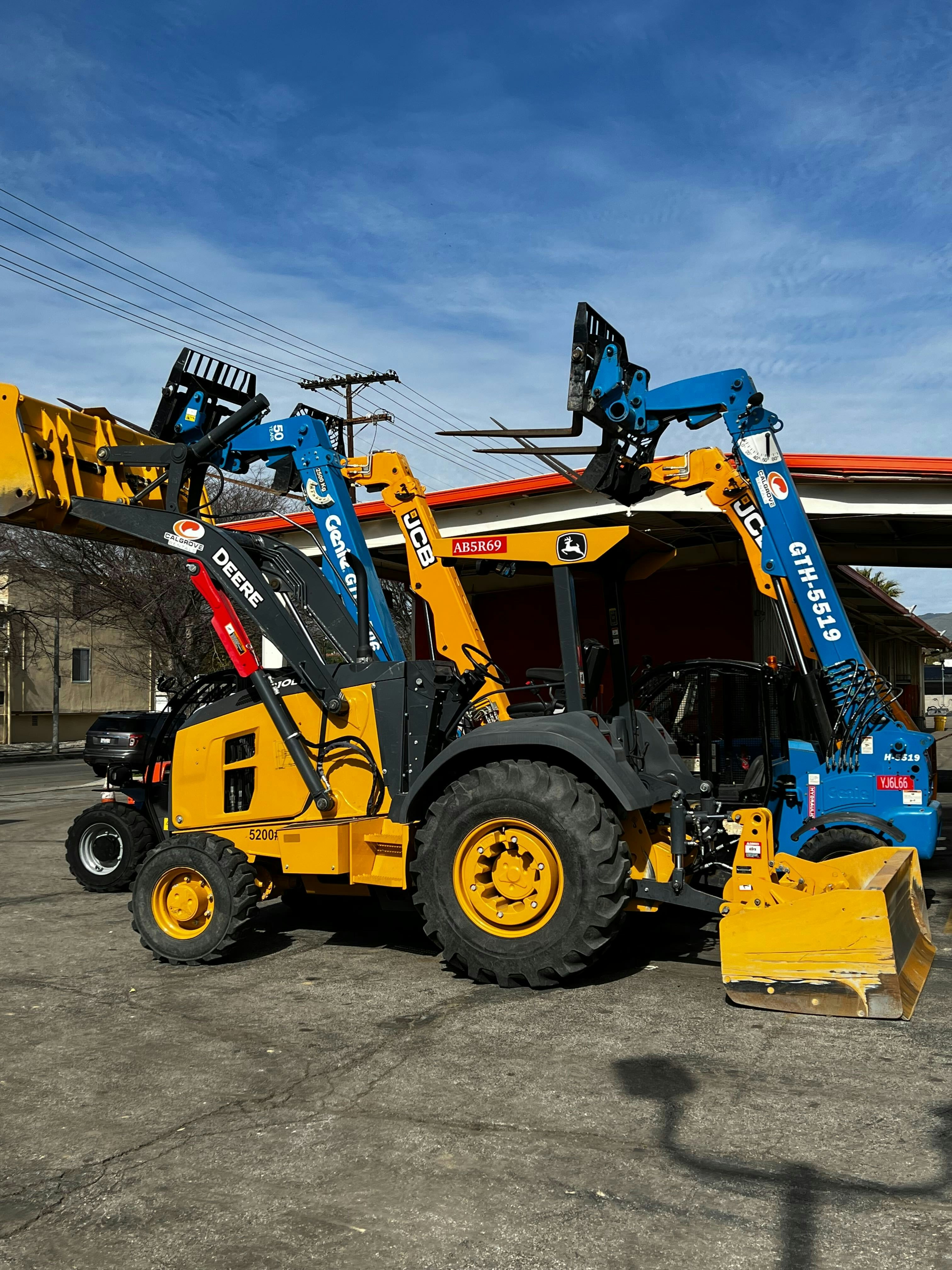
Introduction to Equipment Financing
In the contemporary business landscape, the acquisition of expensive machinery has become a critical component of operational success for various companies. Equipment financing refers to the process through which businesses obtain the capital required to purchase or lease machinery, vehicles, and other essential tools that facilitate their operations. This form of financing enables organizations to invest in high-quality equipment without straining their financial resources or depleting operational cash flow.
The growing necessity for equipment financing is particularly evident in technology-driven industries, where advancements occur at a rapid pace. Companies investing in specialized machinery or up-to-date equipment not only enhance productivity but also ensure compliance with the latest industry standards. The need to remain competitive in an ever-evolving marketplace drives many businesses to pursue financing options that allow them to maintain a robust technological edge.
Essentially, equipment financing helps businesses circumvent the financial burden associated with large capital expenditures. By spreading the cost over time through manageable payments, organizations can allocate resources more effectively and keep cash reserves intact for operational needs. This strategic approach enables firms to upgrade or expand their machinery when necessary, addressing immediate business demands without compromising financial stability.
Moreover, the equipment financing market has seen significant growth as financial institutions and alternative lenders recognize the importance of supporting businesses in their development. Various financing structures, such as loans and leases, are available, making it feasible for organizations of all sizes to access the equipment needed for their operations. As companies continue to adapt to changing economic conditions, the role of equipment financing becomes indispensable for securing a sustainable future in competitive industries.
Types of Equipment Financing
When businesses are looking to acquire expensive machinery, understanding the different types of equipment financing available is crucial. There are several options, including equipment loans, leasing, and vendor financing, each with distinct benefits and considerations that can impact a company’s financial strategy.
Equipment loans are one of the most common forms of financing. In this scenario, a lender provides the company with a lump sum to purchase the machinery outright, which the borrower then repays over time with interest. This method allows the business to own the equipment fully, making it suitable for those who plan to use the machinery long-term. However, it often requires a substantial down payment and can involve higher monthly payments compared to other financing methods.
Leasing is another prevalent option, allowing businesses to use a machine without the financial commitment of ownership. Through an equipment lease, companies make periodic payments to a leasing company for the right to use the equipment. This arrangement usually requires little to no down payment, resulting in lower upfront costs. However, at the end of the lease term, the company typically does not own the equipment, which may be a disadvantage for those seeking long-term investments.
Vendor financing is another approach where the seller of the equipment provides financing options to the buyer. This method can simplify the purchasing process as it eliminates the need for an intermediary lender. Typically, the vendor may offer competitive interest rates or flexible payment terms. However, the range of available financing options might be limited, and businesses should ensure that the terms align with their financial capabilities.
In understanding these types of equipment financing, companies can evaluate their operational needs and financial situations, leading to informed decisions about machinery acquisition.
The Equipment Financing Process
The process of equipment financing involves several key steps that companies typically follow when acquiring expensive machinery. Understanding this structured approach can help businesses make informed decisions and streamline their financing journey.
Initially, companies must determine their financing needs by evaluating the type of equipment required, its cost, and the desired timeframe for acquisition. This assessment includes identifying specific operational requirements and estimating the potential return on investment. A clear understanding of these elements aids in selecting the appropriate financing option, whether it’s a loan, lease, or other financial solutions.
Once the needs are established, companies should conduct thorough research on various financing options available. Each option comes with its benefits and drawbacks, such as ownership rights, maintenance responsibilities, and tax implications. Businesses can choose between traditional financing methods, like bank loans or leasing options that can offer flexible terms and lower upfront costs. Comparing these alternatives equips businesses with the information needed to make an informed choice tailored to their financial situation.
The next step involves identifying potential lenders or financing partners. Researching reputable lenders, reading reviews, and comparing terms from multiple financiers is essential. Engaging with financial institutions that specialize in equipment financing can yield better results, as they often have tailored products that align with the company’s needs. This stage of the process may also involve submitting pre-qualification documents to gauge eligibility and available financing amounts.
Finally, once a suitable lender is selected, companies can submit a formal application. This process often requires providing financial documents, including balance sheets, cash flow statements, and tax returns. After review and approval, companies can move forward with acquiring the machinery, securing the equipment financing that best supports their operational goals. Establishing a solid relationship with the financing partner will also be beneficial for future needs.
Calculating Equipment Costs and Financing Needs
Accurately calculating the total cost of equipment is crucial for businesses seeking to invest in expensive machinery. The purchase price is the most apparent expense; however, it is essential to consider additional costs when determining the overall financial commitment. These costs may include installation, maintenance, training, and operating expenses, which can vary significantly depending on the type of equipment and its intended use. By evaluating all these components, companies can develop a more comprehensive view of their equipment investment.
Installation costs often encompass the expenses related to transporting the machinery, setting it up, and integrating it into existing operations. These costs can fluctuate based on the complexity of the setup and the need for specialized personnel. Furthermore, maintenance expenses should also be included in financial considerations. Regular upkeep is essential to ensure the equipment operates efficiently and to extend its lifespan. Maintenance costs may include routine servicing, replacement parts, and unforeseen repairs. Companies must factor these ongoing expenses into their financial plans to avoid unexpected financial strain.
Operating costs represent another critical aspect of budgeting for new equipment. These can involve energy consumption, labor costs, and potential downtime. Assessing these variables allows businesses to create a realistic overview of the equipment’s functional costs throughout its operational life. To further gauge the necessary financing, companies can employ various financial metrics. The total cost of ownership (TCO) and return on investment (ROI) calculations can help determine the financial implications of purchasing new machinery. By understanding the long-term value and costs associated with the equipment, businesses position themselves to make more informed financing decisions, ultimately leading to strategic investments that yield positive outcomes.
Key Considerations Before Financing Equipment
When considering equipment financing, businesses must evaluate several critical factors to ensure that they make informed decisions. One of the primary considerations is the company’s creditworthiness. Lenders typically assess the credit score and financial history of a business to determine the likelihood of repayment. A solid credit profile can lead to more favorable financing terms, while poor credit may result in higher interest rates or difficulty in securing financing altogether.
Another essential consideration is the impact of financing on cash flow. Companies should analyze their current cash flow situation and project how monthly payments will affect their operations. Understanding the implications of these cash flow changes enables businesses to maintain liquidity for day-to-day expenses and avoid financial strain. It’s essential to strike a balance between investing in necessary equipment and ensuring sufficient cash reserves for operational needs.
The lifespan of the equipment is also a significant consideration. Businesses should evaluate how long they expect to use the machinery and whether it will be technologically relevant over its operational life. Financing equipment that has a limited lifespan could result in higher costs over time, as companies may need to replace or upgrade sooner than anticipated. Conversely, equipment with a long operational life may yield better returns on investment.
Moreover, companies should take into account the total cost of ownership, which includes not only the purchase price but also other associated costs such as maintenance, insurance, and potential downtime. Assessing the total cost helps businesses avoid underestimating the financial commitment required for effective equipment ownership. Additionally, understanding the financing terms is crucial; factors such as interest rates, repayment periods, and any potential penalties for early repayment can significantly impact the overall financial health of a business.
Pros and Cons of Equipment Financing
Equipment financing is a strategic option that allows businesses to procure expensive machinery without depleting their financial resources. This method can significantly enhance cash flow management, enabling companies to allocate their funds towards other critical operational needs. One of the primary advantages of equipment financing is the preservation of capital. By financing machinery, businesses can maintain liquidity, ensuring they have sufficient funds for day-to-day operations and unexpected expenses.
Moreover, equipment financing often provides flexible repayment terms tailored to match the company’s revenue cycle. This can lead to manageable monthly payments that align with cash inflows, helping businesses navigate their financial landscape more effectively. Companies also benefit from the potential tax advantages associated with equipment financing, as they may be able to claim depreciation and interest expenses, thereby reducing their taxable income.
However, while there are many benefits, equipment financing does come with inherent risks and costs. The most prominent disadvantage is the total cost of financing, which may include interest rates and various fees that can elevate the overall expenditure on the equipment. In some cases, businesses may find themselves in a cycle of debt, especially if the equipment does not yield the expected return on investment. Furthermore, equipment under financing often serves as collateral; this means that failure to meet payment obligations can lead to the repossession of the equipment, adversely affecting operations.
Additionally, lengthy financing agreements can tie up a company’s resources for extended periods, impacting its ability to invest in new opportunities or upgrade equipment in the future. Overall, while equipment financing presents a viable route for acquiring necessary machinery, business owners must carefully evaluate both the pros and cons before making a commitment. Balancing the immediate benefits against long-term implications is crucial for informed decision-making in financial planning.
Choosing the Right Financing Partner
Selecting the right financing partner is crucial for businesses seeking equipment financing. The ideal lender should align with the company’s specific needs and financial situation while providing favorable terms that enhance operational efficiency. A critical factor to consider is the interest rates offered by various lenders. Companies should compare rates across different financial institutions to ensure they secure the most competitive financing for their machinery investments. Lower interest rates can significantly reduce the overall cost of financing, making it essential to do thorough research.
Another vital criterion is the terms of service. Businesses should evaluate the duration of the financing agreement, periodic payments, and any potential penalties for early repayment. Flexible terms can offer significant advantages, allowing companies to align their financing with cash flow patterns and business cycles. This flexibility could be crucial in adapting to changes in market conditions or operational needs, which can directly impact the company’s growth trajectory.
Customer service is also an essential aspect when choosing a financing partner. Companies should seek lenders that provide responsive and knowledgeable support throughout the financing process. This includes assistance with questions related to the application, financing options, and ongoing service after the agreement is in place. A reliable lender will facilitate smooth communication and address issues promptly, helping businesses maintain their focus on operational priorities.
Lastly, considering the lender’s experience with equipment financing can provide insights into their proficiency in this niche market. Experienced lenders are likely to have streamlined processes and a better understanding of the various types of machinery that businesses may need. This knowledge can translate into more tailored financing solutions that meet specific industry requirements, ensuring businesses get the most suitable equipment financing partner for their needs.
Real-Life Examples of Successful Equipment Financing
Equipment financing has emerged as a vital tool for businesses across various industries, enabling them to acquire capital-intensive machinery without straining their cash flow. A prime example of successful equipment financing can be observed in the construction sector. A mid-sized construction firm required a new fleet of excavators to meet the growing demand for residential projects. Instead of allocating a significant portion of its working capital, the company opted for equipment financing. By securing a loan specifically for the purchase of the machinery, the construction firm was able to maintain liquidity while expanding its operational capabilities. As a result, the new excavators allowed the company to increase project efficiency, complete jobs more timely, and ultimately boost revenues.
Similarly, a manufacturing organization in the automotive industry successfully leveraged equipment financing to enhance its production line. The company faced challenges due to outdated machinery, which hampered productivity and increased maintenance costs. Through an equipment financing arrangement, the business secured state-of-the-art robotic arms that automated various processes. This upgrade not only reduced labor costs but also improved precision and output quality. The financing structure, which included flexible repayment terms, ensured that the company could manage its cash flow effectively while benefitting from the increased productivity achieved through new technology.
Additionally, in the healthcare sector, a small medical clinic was able to invest in advanced imaging equipment through equipment financing. The clinic recognized that modern imaging technology would not only attract more patients but also improve diagnostic accuracy. Using tailored financing options, the clinic procured the necessary machinery without incurring significant upfront costs. The resultant increase in patient volume led to higher revenue generation, demonstrating how equipment financing plays a critical role in empowering businesses to invest strategically in their growth and efficiency.
Future Trends in Equipment Financing
The landscape of equipment financing is evolving rapidly, driven by technological advancements and shifts in market demand. One of the most significant trends is the increasing adoption of technology-based solutions. Financial technology, commonly referred to as FinTech, is reshaping traditional lending practices, providing businesses with streamlined processes for acquiring expensive machinery. Digital platforms are emerging that facilitate faster loan approvals, enhancing the accessibility of financing options for companies of all sizes.
Moreover, the integration of data analytics and artificial intelligence in equipment financing is enabling lenders to assess credit risk more accurately. This innovative approach not only accelerates decision-making but also enhances the ability to tailor financing solutions to the specific needs of borrowers. Companies are now able to benefit from customized repayment plans and terms that align with their operational cash flows, fostering a more adaptable financial environment.
Additionally, the growing emphasis on sustainability and eco-friendly practices is influencing market demand for equipment financing. Many businesses are seeking to invest in greener technologies and energy-efficient machinery, thus creating a niche for specialized financing options aimed at supporting sustainable initiatives. As businesses increasingly recognize the long-term cost savings associated with environmentally conscious equipment, the equipment financing sector is likely to respond with products that cater to this demand.
Shifts in economic conditions, including fluctuating interest rates and supply chain disruptions, will also play a critical role in shaping the future of equipment financing. Companies will need to stay agile and adjust their financing strategies accordingly to respond to these external factors. Overall, the emerging trends in equipment financing indicate a dynamic future, where businesses are poised to leverage technology and innovative solutions to meet their equipment needs effectively.