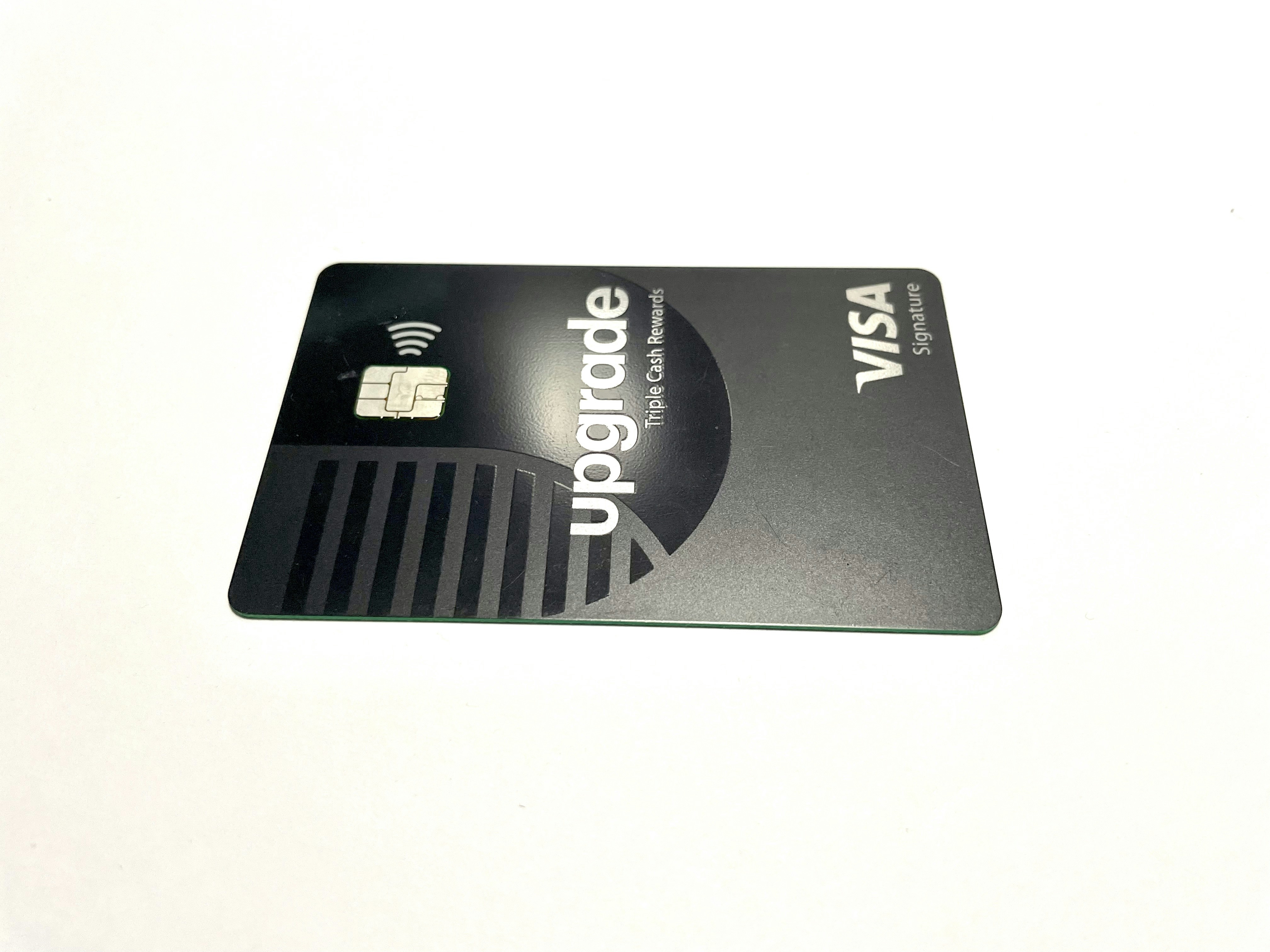
Understanding Credit Scores
A credit score is a numerical representation of an individual’s creditworthiness, which lenders use to evaluate the potential risk of lending money or extending credit. Typically ranging from 300 to 850, a higher credit score signifies a lower likelihood of defaulting on a loan. Maintaining a good credit score is vital as it affects various aspects of a financial life, including interest rates on loans, insurance premiums, and even job opportunities. A strong credit score can help secure favorable terms on mortgages, auto loans, and credit cards, ultimately leading to significant savings over time.
There are different scoring models used to assess creditworthiness, with the most common being FICO and VantageScore. The FICO score is widely used by lenders and is based on five key factors: payment history, amounts owed, length of credit history, new credit, and types of credit used. Each of these factors has a different weight in the overall score calculation. For instance, payment history is the most critical aspect, accounting for approximately 35% of the total score. In contrast, VantageScore, developed by the three major credit bureaus, uses a similar methodology but with variations in how individual factors are weighted and scored.
Several factors contribute to credit scores, including credit utilization, which refers to the ratio of current credit card balances to total available credit. A lower utilization ratio is indicative of responsible credit management, enhancing an individual’s score. Other elements include the diversity of credit accounts and the overall number of inquiries into one’s credit history. It is important to regularly monitor one’s credit score and be aware of these factors to ensure a healthy financial standing and improve future borrowing potential.
Assessing Your Current Credit Report
Understanding your credit report is a critical step in the journey to improving your credit score. It is advisable to obtain your credit report at least once a year, which can be done for free through AnnualCreditReport.com. This resource allows consumers to access credit reports from the three major credit bureaus—Equifax, Experian, and TransUnion—ensuring you have a comprehensive view of your credit history.
Your credit report contains several key components, including personal information, account history, inquiries, and public records. Each of these sections plays a role in determining your creditworthiness. Familiarizing yourself with these elements can help you understand how your credit score is calculated. The personal information section typically includes your name, address, and social security number, while the account history outlines your current and past credit accounts, payment history, and any outstanding debts.
One of the most significant aspects of assessing your credit report is identifying any inaccuracies or errors that may be present. In fact, studies indicate that up to 1 in 5 consumers may find mistakes in their reports. Such inaccuracies can have a detrimental effect on your credit score, making it crucial to review your report diligently. Common mistakes include wrong account details, outdated information, or even accounts that do not belong to you.
If you do discover inaccurate information, it is essential to dispute it promptly. You can do this by contacting the credit reporting agency that issued the report in question. Provide detailed documentation supporting your claim, and maintain records of all correspondence. This proactive approach not only helps enhance your credit score but also promotes a healthier financial profile moving forward. By understanding and addressing the details within your credit report, you can take the necessary steps to improve your credit standing effectively.
Paying Your Bills on Time
Your payment history is a crucial component of your credit score, accounting for approximately 35% of your total score. This means that consistent, timely payments can have a significant positive impact on your creditworthiness. Conversely, late payments—whether on credit cards, utility bills, or loans—can lead to considerable damage to your score. Even a single missed payment can result in a dip, underscoring the importance of diligence in managing your financial obligations.
To ensure that you maintain a positive payment history, it is recommended to set up reminders for due dates or, more efficiently, to utilize automatic payments. Many financial institutions offer features that enable customers to automate their bill payments, which can substantially reduce the risk of oversight. When you automate your payments, you can rest assured that your bills will be settled on time, which is vital for maintaining a favorable credit score.
Furthermore, it is essential to understand that it is not solely large payments that matter. Even small amounts that are overdue can contribute to a decline in your credit score. A missed payment can remain on your credit report for up to seven years, affecting your overall financial health. Therefore, attentiveness to due dates and the habit of prompt payments are highly advisable for anyone looking to enhance their credit score.
Taking these proactive steps is a critical part of managing your credit effectively and can lead to improved scores over time. Be mindful that establishing a culture of timely payments will not only serve to elevate your credit score but also foster a sense of financial discipline in your broader monetary management practices.
Reducing Credit Card Balances
Maintaining a low credit utilization ratio is crucial to enhancing your credit score promptly. Credit utilization refers to the percentage of your total available credit that you are currently using. Financial experts recommend keeping this ratio below 30% for optimal scoring. When credit card balances are high relative to your credit limit, it can signal to lenders that you may be overextending financially, which can negatively impact your credit score.
One effective strategy to reduce outstanding credit card balances is to prioritize high-interest debts. By focusing on paying off these balances first, you can save money over time and help improve your credit utilization ratio more rapidly. Consider adopting the snowball method, where you concentrate on paying off the smallest balance first while making minimum payments on others. This can foster a sense of accomplishment that encourages you to continue your debt repayment journey.
Another tactic is to create a strict monthly budget that allocates specific amounts toward credit card payments. Tracking your spending habits can reveal unnecessary expenses that can be cut, allowing you to redirect more funds toward paying down your credit card debt. Additionally, making frequent payments throughout the month rather than waiting until the due date can keep your credit utilization ratio lower, as it reduces the total balance reported to credit bureaus.
Moreover, consider negotiating with your credit card issuer for a higher credit limit. By increasing your available credit without increasing your spending, you can effectively lower your credit utilization ratio. However, this strategy should be exercised cautiously to prevent the temptation of accruing more debt. By implementing these measures to manage and reduce your credit card balances, you can see a swift improvement in your credit score within a short timeframe.
Avoiding New Hard Inquiries
A hard inquiry, also known as a hard pull, occurs when a lender checks your credit report as part of their decision-making process for a loan or credit application. Although hard inquiries are necessary for assessing your creditworthiness, they can negatively impact your credit score, often reducing it by several points. This reduction in score can remain on your credit report for up to two years, making it critical to manage these inquiries wisely.
One effective strategy to minimize hard inquiries is to refrain from submitting multiple credit applications in a short time frame. When lenders conduct hard inquiries, they are typically assessing your credit risk based on recent applications, and many such inquiries within a brief period can be interpreted as a sign of financial distress. Consequently, this can lead to a sharper decline in your credit score.
Instead, it is advisable to space out your credit applications and focus on understanding the requirements and expectations of each lender. A prudent approach is to use pre-qualification tools offered by many financial institutions, which allow you to gauge your chances of approval with only a soft inquiry. Soft inquiries do not affect your credit score, thereby enabling you to research potential borrowing options without risking a decrease in your score.
Furthermore, if you are considering making significant purchases that may require credit, such as a car or a home, it is wise to limit your inquiries to a specific timeframe, generally around 30 days. This period allows similar types of inquiries to be categorized as one request, thus minimizing the total impact on your score. By adopting these strategies, you can protect your credit profile and position yourself for more favorable borrowing conditions in the future.
Becoming an Authorized User
One effective strategy to rapidly enhance your credit score is through the status of an authorized user on another person’s credit card account. This approach allows you to benefit from the primary cardholder’s credit history, potentially improving your credit profile and increasing your credit score within a short time frame. However, it is essential to choose the right individual to benefit from this arrangement.
When seeking a responsible cardholder, consider individuals who have a strong credit history, low credit utilization rates, and a consistent track record of timely payments. This could be a family member, such as a parent or spouse, or a close friend. The positive aspects of their credit behavior can reflect on your credit report, providing a boost to your credit score. Moreover, it is vital to ensure that the card issuer reports authorized users to the credit bureaus, as not all institutions do. Before proceeding, confirm with the cardholder’s bank or credit union regarding their policies on authorized user reporting.
While there are significant advantages to becoming an authorized user, there are also risks involved. If the primary cardholder struggles with their payments or accumulates high levels of debt, it can negatively impact your credit score. Therefore, it is crucial to set clear expectations and maintain open communication with the cardholder to uphold responsible credit habits. Establishing a mutual understanding reduces the risk of potential adverse effects on your credit score.
In conclusion, becoming an authorized user can be a viable option to boost your credit score quickly. By selecting a responsible cardholder and clearly understanding the expectations and risks, you can take an essential step toward improving your credit health.
Using a Secured Credit Card
Secured credit cards are financial instruments designed specifically for individuals aiming to rebuild or enhance their credit scores. These cards require a cash deposit that serves as collateral, defining the credit limit for the account holder. Typically, the deposit ranges from a few hundred to several thousand dollars, providing a measure of security for lenders. As a result, secured credit cards can be easier to obtain, particularly for those with a limited credit history or a poor credit score.
The operation of a secured credit card closely resembles that of a traditional credit card. Users can make purchases up to their credit limit, and they receive monthly statements outlining their spending. Timely payments reported to credit bureaus will reflect positively on the user’s credit history, which can help improve their credit score over time. It is essential for cardholders to pay their bills on time and keep their utilization ratio low—ideally below 30% of their credit limit—to maximize the benefits of using a secured card.
When selecting a secured credit card, it is advisable to compare various products and choose one that offers favorable terms. Key factors include interest rates, annual fees, and any additional features such as rewards or cash back. Moreover, ensure that the card issuer reports to all three major credit bureaus: Experian, Equifax, and TransUnion. This comprehensive reporting can significantly accelerate the improvement of your credit profile.
Best practices for utilizing a secured credit card include maintaining consistent payment schedules, regularly monitoring credit reports for accuracy, and gradually reducing dependence on the secured card as credit improves. Over time, users may qualify for unsecured cards with better terms, further contributing to their credit-building journey.
Establishing a Credit Mix
A crucial factor in improving your credit score is establishing a diverse credit mix, which refers to the variety of credit accounts you hold. Credit bureaus typically assess how well you manage different types of credit, such as credit cards, installment loans, and mortgages. A balanced credit portfolio indicates your ability to handle various forms of debt responsibly, which can have a positive impact on your credit score. Therefore, developing such a mix is essential for anyone looking to enhance their creditworthiness.
To create an effective credit mix, first evaluate your current credit status. If you primarily rely on credit cards, consider diversifying your portfolio by incorporating different types of credit. For instance, applying for an installment loan, like a personal loan or auto loan, can add positive diversity to your accounts. When seeking these loans, it is vital to assess your financial situation and ensure that you can manage the payments without overextending your budget.
Moreover, timing is an essential element when establishing a credit mix. Opening too many accounts at once can lead to hard inquiries on your credit report, adversely affecting your score. Instead, strategically introduce new credit accounts over time. This gradual approach allows credit bureaus to evaluate the responsible management of each account, thereby strengthening your credit profile.
Additionally, if you already have a good credit history with credit cards, consider leveraging that to your advantage. Look into secured credit cards as a way to build credit with manageable risk. These cards require an upfront deposit, serving as your credit limit, which minimizes the chances of incurring debt you cannot manage.
Incorporating a diverse credit mix thoughtfully enables you to maximize your credit score efficiently, showcasing your credit management skills to lenders while avoiding unnecessary debt.
Monitoring Your Credit Progress
Monitoring your credit progress is paramount to effectively increase your credit score within a short timeframe, such as 30 days. Utilizing various tools and resources can significantly enhance your ability to track your credit score and report. Credit monitoring services offer an array of benefits, including real-time updates on changes to your credit report, alerts for potential fraud, and personalized insights tailored to your credit profile. These services enable you to observe fluctuations in your credit score, helping you pinpoint the factors contributing to improvement or decline.
Numerous reputable credit monitoring platforms are available, each providing unique features. Most offer a free trial or basic service, allowing you to explore their functionalities without financial commitment. Key aspects to look for include access to your credit score from major credit bureaus, historical data to analyze trends, and the ability to simulate how certain actions may impact your credit. By regularly checking these updates, you will remain informed about your credit health, pinpointing areas that require immediate attention.
Understanding how to read changes in your credit score is equally critical. Credit scores can fluctuate due to various actions, including credit inquiries, credit utilization alterations, or opening and closing accounts. Monitoring reports can clarify these shifts, focusing on the specific elements influencing your score. For instance, if you notice a significant dip due to high credit card balances, you can adjust your payment strategy accordingly. By maintaining ongoing awareness of your credit situation, you empower yourself to make informed financial decisions.
In conclusion, effectively monitoring your credit progress through established tools and services is integral to boosting your credit score. Being proactive about your financial health will yield long-term benefits that extend beyond immediate score improvements.